
B&C Electric Corporation provides residential electrical panel upgrades in Southern California. We evaluate the existing service, discuss what you plan to power, and determine whether the right solution is a panel replacement, a service capacity upgrade, or a more limited electrical correction.
Your electrical panel should support the power your home uses now, not the smaller electrical load it may have been designed for years ago. When the panel is damaged, crowded, outdated, or short on capacity, adding another major appliance can expose problems that should be addressed first.
Request an estimate for your panel upgrade.

Panel upgrades call for more than removing one box and installing another. The existing load, service arrangement, circuit condition, future equipment, inspection requirements, and utility connection all affect the job. We want homeowners to understand those details before work begins.
We do not start with the assumption that every electrical problem requires a larger panel. The first step is to identify what the existing system can support and what is causing the symptoms you have noticed.
That distinction matters. A defective breaker, damaged circuit, loose connection, crowded panel, and undersized service are different problems. They should not receive the same recommendation.

A panel upgrade is not automatically required because a panel is old or because every breaker space is occupied. The decision should be based on the panel’s condition, available capacity, circuit arrangement, service size, and the electrical work you plan to add.
You may need an evaluation when breakers trip repeatedly, lights dim as equipment starts, the panel feels warm, or you notice buzzing, corrosion, scorch marks, or a burning smell. A crowded panel, obsolete equipment, damaged components, and plans for new high-demand equipment are also reasons to have the system checked.
Do not reset a breaker repeatedly when it will not stay on. That breaker may be reacting to an overload, a circuit fault, or another condition that needs diagnosis.

Homes now use more electrical equipment than many older systems were built to serve. Air conditioning, electric cooking equipment, spa equipment, workshop tools, backup power systems, and electric vehicle charging can place substantial demand on the service.
That does not mean every home requires the same panel size. The correct capacity depends on the calculated electrical load, existing circuits, property configuration, and planned additions. Choosing an amperage before reviewing those details can result in unnecessary work or a system that still does not support the intended load.
We assess what the home uses today and what you expect to add. That gives you a practical basis for the upgrade rather than a recommendation based on panel size alone.
Every panel upgrade starts with a review of the existing equipment. We examine the panel condition, breaker arrangement, grounding and bonding, available circuit space, service rating, and visible signs of heat, corrosion, or damage.
This evaluation helps determine whether the panel needs replacement, whether the property needs more electrical capacity, or whether a more limited repair may address the problem.
The work may include removing the existing panel, installing the new equipment, fitting correctly sized breakers, and reconnecting the existing branch circuits.
We also review accessible grounding and bonding components and identify service parts that may need to be updated as part of the approved project scope
Some homes need more than a direct panel replacement. Meter equipment, service conductors, damaged wiring, utility connections, panel location, and restricted access can all change the amount of work required.
We explain these conditions before including them in the project. You will know what was found, why it matters, and how it affects the planned panel upgrade.
The first visit establishes what is installed and why you are considering an upgrade. We look at the service rating, equipment condition, circuit space, grounding, panel location, and the loads the system currently supports.
The proposed work is based on the condition of the system and your electrical plans. This stage helps identify whether the project requires a panel replacement, a capacity increase, circuit corrections, or coordination with other electrical improvements.
Electrical panel work may require a permit, inspection, and utility coordination. The City of Temecula manages building permit and inspection requirements for properties within city boundaries. Utility involvement can also be necessary when the meter or existing service connection is affected.
Power must be shut off while the service equipment is being changed. Existing circuits are transferred to the new equipment, and applicable service connections are completed according to the approved scope.
The installation must remain accessible for the required inspection. Final restoration of utility power depends on the project conditions, inspection sequence, and utility procedures.
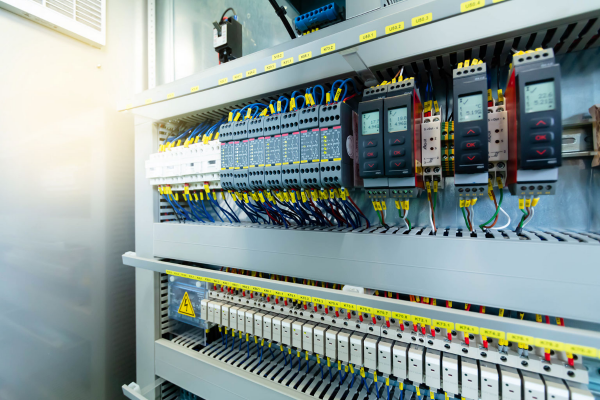
Frequent breaker trips deserve attention, especially when they occur during ordinary household use. A breaker that trips is interrupting the circuit for a reason.
Flickering or dimming lights may point to a loose connection, voltage issue, overloaded circuit, or another electrical problem. They do not prove that the entire panel needs replacement, but they should not be dismissed.
Rust, moisture, melted insulation, darkened areas, crackling sounds, and burning odors require prompt evaluation. Avoid opening the panel or touching internal components. Live electrical parts may remain energized even when the main breaker is switched off.
You should also schedule an assessment before adding equipment that draws substantial power. It is better to confirm the available capacity before the new circuit and equipment are installed.

B&C Electric Corporation has successfully delivered thousands of jobs across residential and commercial settings. That field experience helps us recognize when a panel issue is limited to the equipment in front of us and when another part of the electrical service may affect the project. It also helps us explain complications before they become unexpected changes during installation.
We rely on what can be observed, evaluated, and confirmed. We do not use an older panel, an available rebate, or a planned appliance as proof that every home needs the same upgrade.

Make sure the area around the electrical panel is accessible. Move stored items, vehicles, shelving, or other obstacles that could restrict safe working space.
Tell us about planned electrical additions, even if they will be installed later. An EV charger, generator, electric range, heat pump, spa, workshop, or room addition may affect the recommended capacity and panel layout.
You should also plan for a temporary power interruption during installation. Refrigeration, internet equipment, gates, medical devices, home offices, and other power-dependent systems may require advance arrangements.
A panel upgrade should begin with a clear reason for the work. B&C Electric Corporation will evaluate your existing electrical service, discuss the equipment you plan to add, and explain the recommended scope.
Request an estimate for electrical panel upgrade service in Temecula.

Frequent breaker trips, corrosion, heat damage, limited circuit space, unusual sounds, or plans for major electrical equipment are valid reasons to schedule a panel evaluation.
Not always. A subpanel may add circuit space, but it cannot increase total service capacity. A load evaluation determines whether more amperage is required.
Panel changes generally require electrical permitting and inspection. The applicable authority depends on the property address and whether it lies within Temecula’s city boundaries.
It can provide needed capacity, but the decision should follow a load calculation. Some homes can support charging without a full-service capacity increase.
Service size, panel location, meter equipment, grounding, utility requirements, permit conditions, circuit corrections, access, and additional service work can all affect the final scope.